Remodeling a kitchen in an older Newhall house
If your house was built before 1978, the kitchen remodel comes with one extra rule, and it is not optional. Any paid work that disturbs painted surfaces falls under a federal lead safe standard, and a kitchen tear-out almost always disturbs painted surfaces.
This is not a reason to avoid remodeling an older kitchen. It is a reason to hire the right firm and to know what the job should look like on the day demolition starts. The year the house was built is one of the first questions asked when you call about a Newhall kitchen remodel.
Does the lead rule apply to your kitchen?
Yes, if built before 1978
Yes, if the house predates 1978 and someone is paid to disturb the paint. The rule covers renovation work in houses, apartments and child occupied facilities built before 1978. The EPA states that anyone paid to disturb paint in that housing must be certified, and it names every kind of firm, even a sole proprietor. The wording is on the federal agency's page for renovation firms.
Not sure when your house was built? The year is on your property tax records and usually in your purchase paperwork. If the answer is close to 1978, assume the rule applies until a test says otherwise.
SourceU.S. EPA lead rule
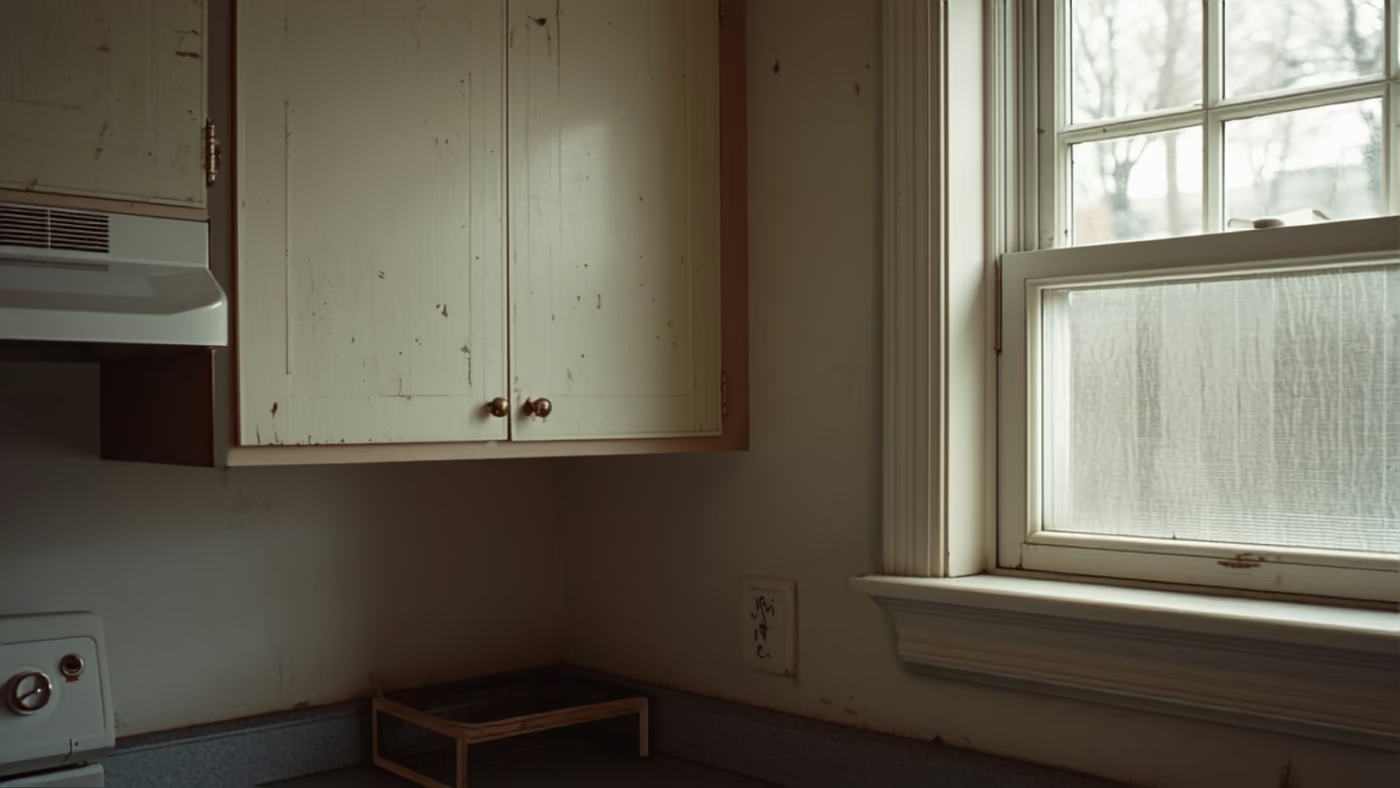
The small job exemption does not reach a remodel
Not for a tear-out
Tearing out a kitchen is not minor repair. The rule does exempt small jobs: disturbing six square feet or less of paint per room inside the house, or 20 square feet or less outside. But the same federal page adds a note that matters here. Demolition of painted surfaces and window replacement are always covered, whatever the square footage.
Splitting the work does not get around it either. The EPA treats jobs in the same room within the same 30 days as a single job when it decides whether something counts as minor, as it explains in its guidance on what counts as minor repair and maintenance.
SourceU.S. EPA guidance
What a lead safe kitchen job looks like
Four things to expect
You do not need to supervise the crew, but you should know what the rule asks of them. The EPA describes it as a set of pre-renovation education, training, firm certification and work practice requirements, and it bans some methods outright whatever the size of the job. In plain terms, that gives you four things to expect:
- Information before the work starts. The rule includes education requirements that come before the renovation, so a covered firm should brief you on lead hazards ahead of demolition.
- A trained, certified firm. Certification applies to the firm itself, down to a one person business.
- A plan for dust. Ask how the kitchen will be closed off from the rest of the house while painted surfaces come out.
- A plan for cleanup. Ask how the area is cleaned and checked before it is handed back to you.
If a crew arrives at a pre-1978 kitchen and starts pulling out painted cabinets and trim with nothing closing off the room, stop the job and ask about certification. It costs a morning. Skipping it can cost far more.
What else tends to turn up behind older cabinets
Often wiring and pipes
Plan for the house to need some catching up. A kitchen that was last remodeled decades ago was wired and plumbed for the appliances of its day. Once the cabinets come off, a contractor may find:
- Too few kitchen circuits for a modern range, microwave, dishwasher and small appliances running at once.
- Old drain and supply lines that are worth replacing while the wall is already open.
- Uneven floors or walls that change how cabinets and counters sit.
- Soffits above the upper cabinets hiding ducts or pipes that cannot simply be removed.
None of these is a disaster. Each is cheaper to handle during the remodel than after it. It is also why the reserve in a sensible kitchen budget matters more in an older house.
Questions to ask before you sign
- Is your firm certified for lead safe renovation, and who on this crew holds the training?
- How will you contain the kitchen, and what will you seal besides the doorway?
- How do you clean up, and how do you check the area before handing it back?
- If the walls open up bad wiring or old pipes, how will changes be priced and approved?
- Which permits will you pull from Santa Clarita for this job?
A good contractor answers those without hesitating. The one you are introduced to through us should expect them.
Older house questions
- Does the EPA lead rule apply to a kitchen remodel?
- Yes, when the house was built before 1978 and the work is paid. Demolition of painted surfaces is always covered, regardless of how many square feet are involved.
- Can I avoid the rule by doing the job in small pieces?
- No. The EPA counts work in the same room within 30 days as one job when deciding whether it is minor repair and maintenance.
- Does the lead rule apply if I do the work myself?
- The certification requirement is aimed at people paid to do the work. If you do your own demolition, the same dust is still in your house, so the same precautions are worth following.
- Will an older house cost more to remodel?
- Often, because outdated wiring and plumbing tend to come up once the walls are open. Hold a larger reserve for an older kitchen than for a newer one.